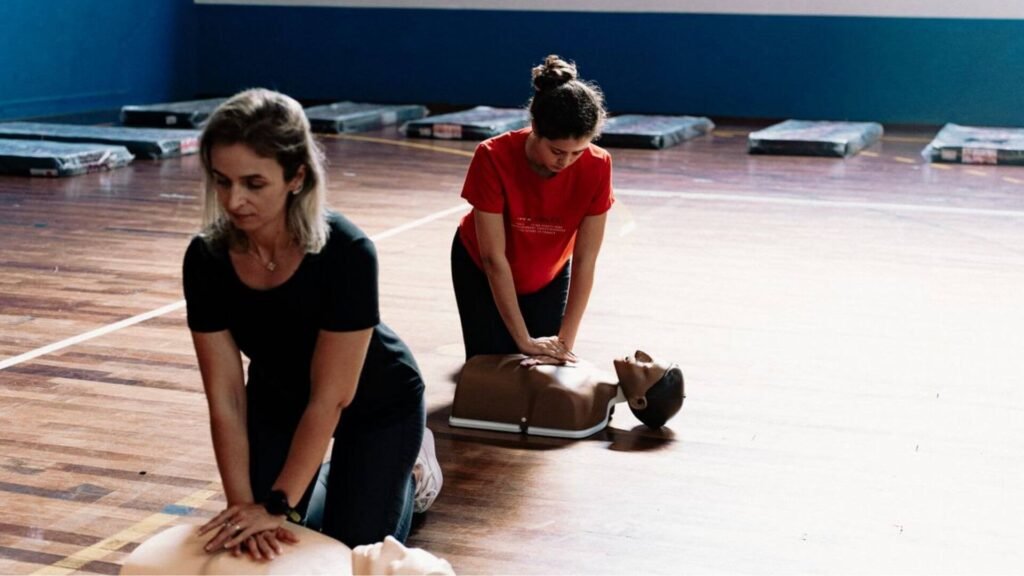
Starting nursing school is exciting, but it also comes with a long list of requirements. One question many students ask is, “Do I need BLS certification?” If you’ve heard terms like CPR, Basic Life Support (BLS), and healthcare provider certification used interchangeably, it’s easy to feel confused.
The good news is that understanding BLS certification is simpler than it sounds. More importantly, earning your certification before beginning clinical training can help you meet school requirements, build confidence, and prepare you to respond effectively during medical emergencies.
Whether you’re entering a practical nursing (LPN) program, an Associate Degree in Nursing (ADN) program, or a Bachelor of Science in Nursing (BSN) program, this guide explains what BLS certification is, why it matters, and how it supports your future nursing career.
Quick Answer
BLS (Basic Life Support) certification is specialized emergency response training designed for healthcare providers.
It teaches life-saving skills such as high-quality CPR, proper use of an Automated External Defibrillator (AED), airway management, and team-based resuscitation.
Most nursing schools require students to obtain BLS certification before clinical rotations because these skills are essential for providing safe patient care in healthcare settings.
What Is BLS Certification?
Basic Life Support (BLS) certification is a healthcare training program that prepares medical professionals and healthcare students to recognize and respond to life-threatening emergencies.
Unlike basic CPR courses designed for the general public, BLS focuses on situations healthcare providers may encounter in hospitals, clinics, long-term care facilities, physician offices, and emergency departments.
A typical BLS course teaches participants how to:
- Perform high-quality CPR for adults, children, and infants
- Use an Automated External Defibrillator (AED)
- Provide effective rescue breathing
- Recognize cardiac arrest and respiratory emergencies
- Work efficiently as part of a healthcare team during resuscitation
- Respond quickly while maintaining patient safety
The goal of BLS certification is not simply to teach CPR techniques. It prepares healthcare providers to deliver coordinated, evidence-based care during the critical first minutes of a medical emergency.
Key Takeaway
BLS certification equips nursing students with the practical emergency response skills needed to provide safe, effective care in clinical settings. It goes beyond basic CPR by emphasizing teamwork, communication, and coordinated patient care.
What Does BLS Stand For?
BLS stands for Basic Life Support.
Basic Life Support refers to the immediate medical care provided to someone experiencing a life-threatening emergency before advanced medical treatment becomes available.
Examples include:
- Cardiac arrest
- Respiratory arrest
- Airway obstruction
- Drowning
- Choking emergencies
- Sudden collapse
These emergencies require rapid action. Every minute without effective CPR and defibrillation can significantly reduce a person’s chance of survival.
For nursing students, learning Basic Life Support means developing the confidence to recognize emergencies early and begin appropriate interventions while working alongside other healthcare professionals.
Why Do Nursing Students Need BLS Certification?
Although requirements vary by nursing program, many schools require students to obtain current BLS certification before participating in clinical rotations. Even when not required for admission, certification is often mandatory before students begin caring for patients.
Here are the main reasons BLS certification is so important.
1. Many Nursing Schools Require It
Clinical education places students in hospitals, clinics, rehabilitation centers, and long-term care facilities where emergencies can occur unexpectedly.
Healthcare facilities want every member of the care team—including students—to understand how to respond appropriately if a patient experiences cardiac arrest or another life-threatening event.
Having current BLS certification helps ensure students arrive prepared for these responsibilities.
Natural Program Recommendation
If you’re preparing to enter nursing school, completing a healthcare-provider BLS course before clinical placements can help you meet program requirements and begin your training with greater confidence.
2. It Improves Patient Safety
Patient safety is one of the most important responsibilities in healthcare.
During clinical rotations, nursing students may observe or assist experienced nurses during emergency situations. Knowing how to recognize cardiac arrest, begin CPR, operate an AED, and communicate effectively with the healthcare team contributes to better patient outcomes.
Even if a student is not leading the response, understanding the process allows them to assist safely and effectively.
3. It Builds Confidence During Clinical Rotations
Many students worry about encountering their first medical emergency.
That concern is completely normal.
BLS training provides hands-on practice using realistic scenarios so students become familiar with:
- Responding under pressure
- Following emergency protocols
- Communicating with team members
- Performing CPR correctly
- Using an AED safely
Instead of feeling overwhelmed, students gain confidence through repetition and guided instruction.
4. Employers Often Expect Current BLS Certification
Hospitals and healthcare employers commonly require nurses to maintain current BLS certification throughout their careers.
By earning certification early, nursing students are already meeting one of the basic expectations many employers have for entry-level healthcare professionals.
This can make the transition from student to employee much smoother.
5. It Creates a Strong Foundation for Advanced Training
As nurses progress in their careers, many pursue additional certifications such as Advanced Cardiovascular Life Support (ACLS) or Pediatric Advanced Life Support (PALS).
BLS serves as the foundation for these advanced emergency response courses.
Developing strong BLS skills early makes future learning easier and helps nurses build confidence as they take on more complex patient care responsibilities.
Key Takeaway
BLS certification prepares nursing students for clinical training, supports patient safety, meets many educational and employer requirements, and provides the foundation for advanced life support education.
Who Else Needs BLS Certification?
Although nursing students are a primary audience for BLS training, many other healthcare professionals also benefit from maintaining current certification.
Common professions include:
- Registered Nurses (RNs)
- Licensed Practical Nurses (LPNs)
- Certified Nursing Assistants (CNAs)
- Medical Assistants
- Physicians
- Physician Assistants
- Nurse Practitioners
- Respiratory Therapists
- Surgical Technologists
- Emergency Medical Technicians (EMTs)
- Paramedics
- Dental Hygienists
- Dentists
- Physical Therapists
- Occupational Therapists
- Dialysis Technicians
- Hospital Technicians
- Healthcare students completing clinical education
Some employers outside traditional healthcare—including schools, fitness centers, correctional facilities, and industrial workplaces—may also encourage or require BLS certification depending on job responsibilities.
BLS vs. CPR: What’s the Difference?
Many people assume CPR and BLS certification are identical. While they are closely related, they are designed for different audiences.
| Feature | BLS Certification | Standard CPR Certification |
|---|---|---|
| Intended Audience | Healthcare providers | General public |
| Adult CPR | ✔ | ✔ |
| Child CPR | ✔ | Often included |
| Infant CPR | ✔ | Often included |
| AED Training | ✔ | ✔ |
| Two-Rescuer CPR | ✔ | Limited |
| Team-Based Response | ✔ | No |
| Airway Management | ✔ | Basic |
| Healthcare Scenarios | ✔ | No |
| Common Requirement for Nursing School | ✔ | Rarely |
For nursing students, healthcare-provider BLS certification is generally the appropriate course because it reflects the skills expected in clinical settings.
What Will You Learn in a BLS Course?
A high-quality BLS course combines classroom instruction with hands-on practice to help students develop practical emergency response skills.
Topics typically include:
High-Quality CPR
Students learn how to:
- Perform effective chest compressions
- Maintain proper compression depth and rate
- Minimize interruptions during CPR
- Recognize when high-quality CPR is being delivered
AED Use
Participants practice:
- Turning on the AED
- Applying electrode pads correctly
- Following voice prompts
- Delivering shocks safely when indicated
Airway Management
Students learn techniques for maintaining an open airway and providing rescue breaths using barrier devices.
Team Dynamics
One of the biggest differences between BLS and basic CPR is teamwork.
Students practice:
- Assigning roles
- Communicating clearly
- Switching compressors efficiently
- Coordinating patient care during resuscitation
Adult, Child, and Infant Emergencies
Healthcare providers care for patients of all ages.
BLS training prepares students to modify emergency response techniques based on the patient’s age and condition.
Key Takeaway
BLS courses combine life-saving skills with realistic healthcare scenarios, ensuring nursing students are prepared to work effectively as members of an emergency response team.
When Should Nursing Students Get BLS Certified?
Timing matters. Waiting until the last minute can delay your clinical placement or create unnecessary stress if your nursing program requires proof of certification.
Here are the most common times to earn BLS certification.
Before Starting Nursing School
Some nursing programs recommend—or require—students to obtain BLS certification before classes begin. Getting certified early gives you one less requirement to worry about once coursework becomes more demanding.
Before Clinical Rotations
This is the most common requirement. Before entering hospitals, clinics, or long-term care facilities, students are often expected to present a current BLS certification card from an accepted training provider.
Check with your nursing school to confirm which certification providers and course formats are accepted.
During Nursing School
If your program does not require certification immediately, you may complete a BLS course during your first semester before beginning hands-on clinical experiences.
Key Takeaway
The best time to earn BLS certification is before your first clinical rotation. Always verify your nursing program’s requirements so you choose the correct course and avoid delays.
How Long Does BLS Certification Last?
For most healthcare providers, BLS certification is valid for two years from the date of successful course completion.
To remain certified, healthcare professionals typically complete a renewal course before their certification expires.
Renewing on time helps you:
- Stay compliant with employer requirements
- Maintain confidence in life-saving skills
- Learn updates to resuscitation guidelines and best practices
- Avoid interruptions to clinical placements or employment
Many employers monitor certification status, so keeping your credentials current is an important part of professional responsibility.
Internal Linking Opportunity: Link to “How Long Does BLS Certification Last?” and “How to Renew Your BLS Certification.”
Common Mistakes Nursing Students Make
Preparing for a healthcare career involves more than simply completing a certification course. Avoiding these common mistakes can save time, money, and frustration.
Waiting Until the Last Minute
Clinical requirements often have strict deadlines. Waiting until just before clinical placements may limit course availability or delay your participation.
Taking the Wrong Course
Not all CPR classes meet nursing program requirements. Many schools specifically require a Healthcare Provider BLS course rather than a community CPR class.
Always confirm the accepted certification before registering.
Letting Certification Expire
An expired certification may prevent participation in clinical rotations or create employment issues after graduation.
Set reminders well before your expiration date.
Thinking CPR and BLS Are the Same
Basic CPR training is valuable, but nursing students generally need a BLS course designed specifically for healthcare providers.
Not Practicing After Certification
Emergency response skills improve with regular practice. Reviewing CPR techniques, AED use, and emergency response protocols helps maintain confidence between renewals.
Myth vs. Fact
| Myth | Fact |
|---|---|
| CPR certification is enough for nursing school. | Many nursing programs specifically require Healthcare Provider BLS certification. |
| BLS is only for emergency room staff. | Nurses in many specialties benefit from BLS skills. |
| BLS is too difficult for beginners. | Courses are designed for students and first-time healthcare providers. |
| Once certified, you’ll never need training again. | BLS certification typically requires renewal every two years. |
Key Takeaway
Most certification problems are preventable. Choosing the correct course, planning ahead, and renewing on time helps you stay prepared throughout nursing school and your career.
Practical Tips for Success in Your BLS Course
Whether you’re taking BLS for the first time or renewing your certification, these strategies can help you succeed.
- Review basic CPR concepts before class.
- Wear comfortable clothing for hands-on practice.
- Arrive early and be ready to participate.
- Ask questions whenever you’re unsure.
- Practice chest compression technique during skills sessions.
- Pay attention to team communication exercises.
- Review your course materials after class.
- Mark your renewal date on your calendar.
Remember that the goal is not simply to earn a certification card—it’s to develop skills that could one day help save a life.
North Carolina Considerations
If you plan to attend nursing school or work in North Carolina, it’s important to understand that individual nursing programs and healthcare employers may have specific certification requirements.
Before enrolling in a BLS course:
- Review your nursing school’s admission or clinical handbook.
- Confirm which certification providers are accepted.
- Verify whether in-person skills testing is required.
- Keep copies of your certification for clinical documentation.
- Monitor expiration dates throughout your program.
Healthcare systems throughout the Charlotte region and surrounding communities often expect nursing staff to maintain current life-support certifications appropriate to their roles.
Internal Linking Opportunity: Link to “How to Choose a BLS Certification Course in North Carolina.”
Final Thoughts
BLS certification is more than a nursing school requirement—it’s an essential step toward becoming a safe, confident, and capable healthcare professional.
By learning how to recognize emergencies, perform high-quality CPR, use an AED, and work effectively with other healthcare providers, you’ll develop skills that support both your education and your future career.
Whether you’re preparing for your first clinical rotation or planning your long-term nursing journey, earning BLS certification demonstrates your commitment to patient safety and professional excellence.
About AllGrace College of Health Sciences
At AllGrace College of Health Sciences, we are committed to preparing future healthcare professionals with the knowledge, practical skills, and confidence needed to succeed in today’s healthcare environment.
Whether you’re beginning your healthcare journey or advancing your career, our training programs are designed to support workforce readiness through hands-on instruction and evidence-based education.
Programs that complement this topic include:
- Basic Life Support (BLS) Certification
- CPR Training
- Advanced Cardiovascular Life Support (ACLS)
- Pediatric Advanced Life Support (PALS)
- Nursing Education
- NCLEX Preparation
- Healthcare Career Training
Our goal is to help students build the skills employers value while preparing them to deliver safe, compassionate patient care.
Frequently Asked Questions (FAQ)
What is BLS certification?
BLS (Basic Life Support) certification teaches healthcare providers how to perform high-quality CPR, use an AED, manage airways, and respond to life-threatening emergencies as part of a coordinated team.
Do nursing students need BLS certification?
Many nursing schools require students to obtain BLS certification before beginning clinical rotations. Even when not required for admission, it is often necessary before providing patient care in clinical settings.
Is BLS different from CPR?
Yes. BLS includes CPR but also covers team-based resuscitation, healthcare-specific emergency response, airway management, and advanced clinical scenarios designed for healthcare providers.
When should I get BLS certification?
The ideal time is before your first clinical rotation or whenever your nursing program requires it.
How long does BLS certification last?
Most BLS certifications remain valid for two years before renewal is required.
Can I take the BLS certification online?
Yes. We offer a blended learning that combines online coursework with an in-person skills assessment.
How long does a BLS class take?
Course length is about 4 hours and whether you are completing an initial certification or a renewal. The classes can be completed within a single day.
What skills are taught during BLS training?
Students learn adult, child, and infant CPR, AED operation, rescue breathing, airway management, choking response, and team-based emergency care.
Is BLS certification difficult?
Most students successfully complete BLS training. Instructors guide participants through both knowledge and hands-on skills, making the course suitable for beginners entering healthcare.
Can BLS certification help me get a job?
Yes. Many healthcare employers require current BLS certification, making it an important credential for nurses and other healthcare professionals.
Do I need to renew my BLS certification?
Yes. Maintaining current certification helps ensure your skills remain up to date and supports compliance with employer or educational requirements.
What’s the next certification after BLS?
Depending on your career path, advanced certifications such as Advanced Cardiovascular Life Support (ACLS) or Pediatric Advanced Life Support (PALS) may become appropriate after gaining clinical experience.
BLS (Basic Life Support) certification teaches healthcare providers how to perform high-quality CPR, use an AED, manage airways, and respond to life-threatening emergencies as part of a coordinated team.
Many nursing schools require students to obtain BLS certification before beginning clinical rotations. Even when not required for admission, it is often necessary before providing patient care in clinical settings.
Yes. BLS includes CPR but also covers team-based resuscitation, healthcare-specific emergency response, airway management, and advanced clinical scenarios designed for healthcare providers.
The ideal time is before your first clinical rotation or whenever your nursing program requires it.
Most BLS certifications remain valid for two years before renewal is required.
Yes. We offer a blended learning that combines online coursework with an in-person skills assessment.
Course length is about 4 hours and whether you are completing an initial certification or a renewal. The classes can be completed within a single day.
Students learn adult, child, and infant CPR, AED operation, rescue breathing, airway management, choking response, and team-based emergency care.
Most students successfully complete BLS training. Instructors guide participants through both knowledge and hands-on skills, making the course suitable for beginners entering healthcare.
Yes. Many healthcare employers require current BLS certification, making it an important credential for nurses and other healthcare professionals.
Yes. Maintaining current certification helps ensure your skills remain up to date and supports compliance with employer or educational requirements.
Depending on your career path, advanced certifications such as Advanced Cardiovascular Life Support (ACLS) or Pediatric Advanced Life Support (PALS) may become appropriate after gaining clinical experience.