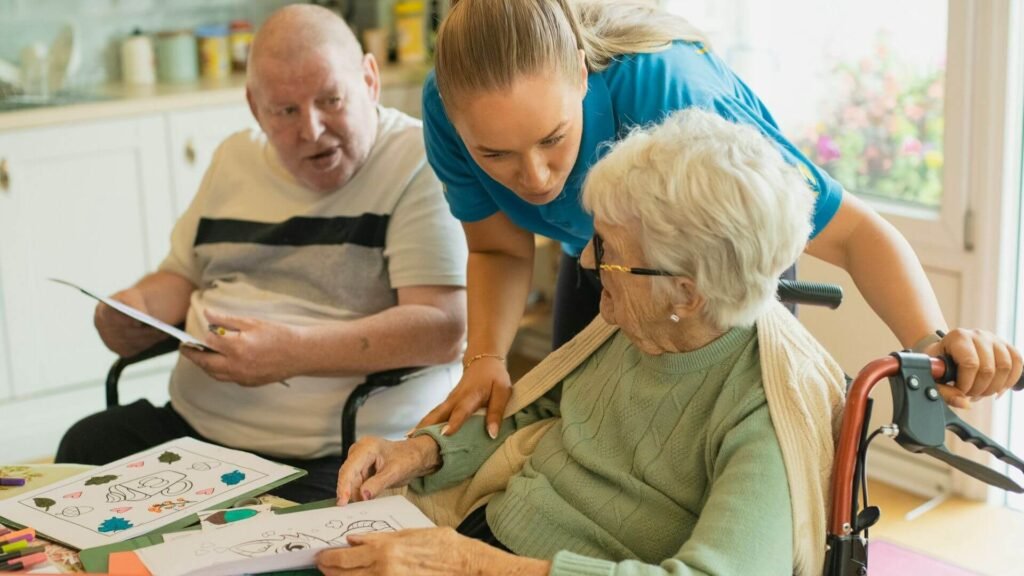
Healthcare is one of the fastest-growing industries in the United States, offering rewarding careers for people from all backgrounds. If you’ve been wondering whether it’s possible to work in a hospital without previous healthcare experience, the answer is yes. Every year, hospitals hire thousands of entry-level employees for roles that provide valuable experience while opening doors to long-term career growth.
Whether you’re a recent high school graduate, changing careers, returning to the workforce, or simply looking for a stable profession with opportunities to advance, there are many hospital jobs designed for beginners. Some positions require no certification at all, while others only need a short training program or basic certification to improve your competitiveness.
This guide explains the best hospital jobs for people with no experience, how to prepare for your first healthcare position, and the practical steps you can take to begin building a successful healthcare career.
Quick Answer
Yes, you can get a hospital job with no previous healthcare experience. Many hospitals hire entry-level employees for positions such as patient transporter, environmental services technician, dietary aide, patient access representative, and medical records clerk. Earning certifications like CPR or Basic Life Support (BLS) can strengthen your résumé, demonstrate your commitment to patient safety, and improve your chances of being hired. With experience and additional training, these roles can also serve as stepping stones to careers in nursing, medical assisting, and other healthcare professions.
What Does “Hospital Jobs With No Experience” Mean?
Hospital jobs with no experience are positions that employers are willing to fill with candidates who have little or no previous healthcare work history. Rather than expecting applicants to have years of medical experience, employers often look for qualities such as:
- Strong communication skills
- Reliability
- Professionalism
- Compassion
- Willingness to learn
- Ability to work as part of a team
- Customer service experience
- Organizational skills
Many of these abilities can be gained in retail, hospitality, education, customer service, military service, or other industries. Hospitals frequently provide on-the-job training for entry-level employees, making healthcare more accessible than many people realize.
Can You Really Get Hired Without Healthcare Experience?
Absolutely—but it’s important to have realistic expectations.
Most first-time applicants will not immediately qualify for highly specialized clinical positions such as registered nurse, respiratory therapist, or radiologic technologist because these careers require formal education and licensure.
However, hospitals rely on many support professionals who help keep daily operations running smoothly. These employees play an essential role in patient care, even if they are not diagnosing illnesses or performing complex medical procedures.
Hiring managers often value candidates who demonstrate:
- A positive attitude
- Dependability
- A willingness to learn
- Strong interpersonal skills
- Professional behavior
- Commitment to patient care
- Basic healthcare knowledge
Showing initiative by completing introductory healthcare certifications can also help distinguish you from other applicants who have similar work experience.
Why Hospitals Hire Entry-Level Employees
Hospitals are large organizations that require professionals across many departments to provide safe, efficient patient care. While doctors and nurses are essential, they rely on a wide range of support staff to keep the hospital functioning effectively.
Entry-level employees help with responsibilities such as:
- Transporting patients safely between departments
- Greeting patients and visitors
- Managing appointment scheduling
- Maintaining clean and sanitary environments
- Organizing patient records
- Assisting with administrative tasks
- Supporting nurses and physicians
Many hospitals prefer to hire motivated beginners and provide internal training because these employees can develop within the organization over time.
For individuals interested in long-term healthcare careers, an entry-level hospital position offers an excellent opportunity to gain firsthand experience while exploring different specialties.
Best Hospital Jobs With No Experience
The following positions are among the most accessible entry-level opportunities available in many hospitals.
| Position | Typical Duties | Certification Required? | Patient Contact | Career Growth |
|---|---|---|---|---|
| Patient Transporter | Transport patients safely throughout the hospital | Usually No | High | Excellent |
| Environmental Services Technician | Clean and sanitize patient care areas | Usually No | Moderate | Good |
| Dietary Aide | Prepare and deliver patient meals | Usually No | Moderate | Good |
| Patient Access Representative | Register patients and manage admissions | Usually No | High | Excellent |
| Medical Records Clerk | Maintain patient documentation | Usually No | Low | Good |
| Unit Secretary | Support nurses with administrative work | Usually No | Moderate | Excellent |
| Sterile Processing Technician | Clean and prepare surgical instruments | Employer dependent | Low | Excellent |
| Patient Care Technician | Assist with basic patient care | Often Yes | High | Outstanding |
| Certified Nursing Assistant (CNA) | Provide direct patient care | Yes | Very High | Outstanding |
| Phlebotomist | Draw blood for laboratory testing | Yes | High | Excellent |
Let’s look at several of these roles in more detail.
Patient Transporter
Patient transporters safely move patients between departments for tests, treatments, surgeries, and discharge. This role offers frequent interaction with patients and healthcare professionals, making it an excellent introduction to the hospital environment.
You’ll develop valuable communication, teamwork, and patient service skills while becoming familiar with hospital operations.
Environmental Services Technician
Environmental services professionals help prevent infections by maintaining clean, sanitized patient care areas.
Although this role works largely behind the scenes, it plays a direct role in patient safety and infection prevention. Hospitals place significant importance on this department because cleanliness is essential to quality healthcare.
Patient Access Representative
Patient access representatives are often the first people patients meet when arriving at the hospital.
Responsibilities commonly include:
- Greeting patients
- Registering new patients
- Verifying insurance information
- Scheduling appointments
- Answering questions
- Coordinating admissions
Candidates with customer service or administrative experience often transition well into this role.
Medical Records Clerk
Medical records professionals organize and maintain patient information while ensuring confidentiality and accuracy.
This position is ideal for detail-oriented individuals who prefer administrative work over direct patient care.
Patient Care Technician
Patient care technicians work closely with nurses by assisting patients with daily care needs, monitoring vital signs, and providing bedside support.
Many employers require some training or certification before hiring, but this position provides one of the strongest pathways toward advanced healthcare careers such as nursing.
Which Certifications Can Help You Get Hired Faster?
While many entry-level hospital jobs do not require certification, earning a few foundational credentials can make you a stronger candidate and demonstrate your commitment to healthcare.
CPR Certification
CPR certification teaches you how to recognize and respond to cardiac emergencies. Even when it isn’t required, employers often appreciate applicants who already understand these lifesaving skills.
If you’re planning to pursue patient-facing roles, obtaining CPR certification before applying can help your résumé stand out.
Basic Life Support (BLS)
Basic Life Support (BLS) certification expands on CPR by covering high-quality CPR techniques, use of an automated external defibrillator (AED), and team-based emergency response.
Many hospitals require BLS certification for clinical positions, and obtaining it early can prepare you for future career advancement.
First Aid Training
First Aid training provides practical knowledge for responding to common medical emergencies, injuries, and illnesses until professional care is available.
Together with CPR and BLS, it builds confidence and demonstrates your commitment to patient safety.
Certified Nursing Assistant (CNA)
If your long-term goal is direct patient care, becoming a CNA is one of the fastest ways to gain hands-on clinical experience. Many nurses begin their careers as CNAs before pursuing additional education.
Healthcare Career Training
If you’re unsure which career path is right for you, a structured healthcare career training program can help you understand different roles, certification requirements, and advancement opportunities. It can also prepare you for the expectations of working in a professional healthcare environment.
At AllGrace College of Health Sciences, students can strengthen their employment prospects through programs such as CPR Training, Basic Life Support (BLS), First Aid Training, and healthcare career education. These foundational programs help build confidence, develop essential workplace skills, and prepare aspiring healthcare professionals for entry-level opportunities while laying the groundwork for future career advancement.
Step-by-Step Roadmap to Your First Hospital Job
Starting a healthcare career can feel overwhelming when you have little or no experience, but breaking the process into manageable steps makes it much more achievable.
Step 1: Explore Different Healthcare Careers
Before applying, spend some time learning about the various roles available in hospitals. Consider questions such as:
- Do you enjoy working directly with patients?
- Would you rather work behind the scenes?
- Are you interested in administrative or clinical work?
- Do you see yourself becoming a nurse or another healthcare professional in the future?
Choosing an entry-level position that aligns with your long-term goals can make your career progression smoother.
Step 2: Earn Relevant Certifications
Although many positions do not require prior healthcare experience, completing foundational certifications can make you a more competitive applicant.
Consider earning:
- CPR Certification
- Basic Life Support (BLS) Certification
- First Aid Certification
These certifications demonstrate initiative, introduce you to essential emergency response skills, and show employers that you are serious about working in healthcare.
If you’re interested in patient-facing roles, these credentials can also prepare you for additional training later in your career.
Step 3: Build a Strong Beginner-Friendly Résumé
Even without healthcare experience, you likely have transferable skills that hospitals value.
Highlight experience such as:
- Customer service
- Teamwork
- Leadership
- Problem-solving
- Communication
- Time management
- Organization
- Reliability
- Conflict resolution
Include any volunteer work, community service, internships, or certifications you’ve completed.
Focus on demonstrating your ability to learn quickly and work professionally.
Step 4: Practice Interviewing
Hospital interviews often focus less on technical knowledge and more on your attitude and professionalism.
Prepare to answer questions such as:
- Why do you want to work in healthcare?
- Tell us about a time you solved a difficult problem.
- How do you handle stressful situations?
- Describe excellent customer service.
- How would you respond if a patient became upset?
Employers understand that beginners are still learning, but they expect honesty, compassion, and a willingness to improve.
Step 5: Apply Strategically
Instead of submitting dozens of identical applications, tailor each résumé to the specific position.
Read job descriptions carefully and incorporate relevant keywords naturally into your résumé and cover letter.
Applying to several entry-level positions within the same hospital system may increase your chances of receiving an interview.
Step 6: Continue Learning After You’re Hired
Your first hospital job is only the beginning.
Many healthcare professionals start in entry-level roles before advancing into higher-paying careers through additional education and certifications.
Take advantage of employer-sponsored training, continuing education opportunities, and mentorship whenever possible.
Common Mistakes First-Time Applicants Make
Many people unintentionally make their job search more difficult by avoiding opportunities they are actually qualified for.
Here are some of the most common mistakes.
Waiting Until You’re “Fully Qualified”
Many applicants assume they need years of experience before applying.
In reality, hospitals frequently hire entry-level employees and provide on-the-job training.
If you meet most of the qualifications, it’s often worth applying.
Ignoring Certifications
Even when CPR or BLS certification isn’t required, earning these credentials demonstrates initiative and professionalism.
Small investments in education can make a meaningful difference during the hiring process.
Applying Without Researching the Role
Each hospital position has different responsibilities.
Understanding what the job involves allows you to prepare better interview answers and determine whether the role matches your interests.
Underestimating Transferable Skills
Experience gained in retail, hospitality, education, military service, customer service, childcare, or office administration often translates well into healthcare.
Hospitals value employees who communicate effectively, remain calm under pressure, and provide excellent service to patients and families.
Giving Up After a Few Rejections
Healthcare hiring can be competitive.
Rejections do not necessarily indicate that you are unqualified.
Continue improving your résumé, gaining certifications, and applying consistently.
Career Growth After Your First Hospital Job
One of the greatest advantages of entering healthcare is the opportunity for long-term career advancement.
Many professionals begin in entry-level positions before pursuing specialized careers.
Here are a few examples of how a healthcare career can evolve:
| Starting Position | Next Step | Long-Term Career Path |
|---|---|---|
| Patient Transporter | Patient Care Technician | Registered Nurse (RN) |
| Environmental Services Technician | Sterile Processing Technician | Surgical Services Professional |
| Unit Secretary | Medical Assistant | Nursing or Healthcare Administration |
| Patient Access Representative | Medical Office Coordinator | Healthcare Management |
| Certified Nursing Assistant | Licensed Practical Nurse (LPN) | Registered Nurse (RN) or Advanced Practice Nurse |
| Phlebotomist | Laboratory Technician | Medical Laboratory Scientist |
Your first position doesn’t have to be your final destination. Many healthcare employers encourage professional development by offering tuition assistance, internal training, mentoring, and opportunities for advancement.
North Carolina Job Market Insights
North Carolina continues to experience strong demand for healthcare workers due to population growth, an aging population, and expanding healthcare services.
Hospitals, outpatient clinics, rehabilitation centers, long-term care facilities, and home health agencies regularly seek dependable entry-level employees to support patient care and daily operations.
For job seekers in Charlotte and surrounding communities, earning foundational certifications such as CPR, Basic Life Support (BLS), and First Aid can improve employment readiness and demonstrate commitment to working safely in healthcare environments.
Healthcare employers also value candidates who continue developing their skills through professional education and career training.
Whether your goal is to work in a hospital, physician’s office, rehabilitation center, or another healthcare setting, beginning with an entry-level position can provide valuable experience while helping you build a rewarding long-term career.
Frequently Asked Questions
Can I get a hospital job with no experience?
Yes. Many hospitals hire entry-level employees for administrative, support, and patient service positions. While some roles require certification, many provide on-the-job training.
What is the easiest hospital job to get?
Positions such as patient transporter, dietary aide, environmental services technician, patient access representative, and medical records clerk are commonly considered accessible entry-level opportunities.
Do hospitals train new employees?
Most hospitals provide orientation and job-specific training for newly hired employees. Additional education requirements depend on the position.
Do I need CPR certification before applying?
Not always, but having CPR certification can strengthen your application and show employers that you are prepared to respond appropriately during emergencies.
Is BLS better than CPR?
Basic Life Support (BLS) includes high-quality CPR techniques along with additional skills commonly required for healthcare professionals. Many clinical positions prefer or require BLS certification.
Which hospital jobs have the best advancement opportunities?
Patient Care Technician, Certified Nursing Assistant, Sterile Processing Technician, and Unit Secretary positions often provide strong foundations for future healthcare careers.
Can I become a nurse after working in a hospital?
Absolutely. Many nurses begin their careers in entry-level hospital roles before completing nursing education.
Are healthcare jobs stable?
Healthcare remains one of the most stable and fastest-growing employment sectors due to continued demand for medical services.
How long does it take to start a healthcare career?
Some entry-level positions require no formal certification, allowing you to begin applying immediately. Others may require a short training program or certification that can often be completed in weeks or months, depending on the role.
Which certifications should I earn first?
For many beginners, CPR, Basic Life Support (BLS), and First Aid are excellent starting points because they build essential emergency response skills and may strengthen employment applications.
Key Takeaways
- You do not need previous healthcare experience to begin working in a hospital.
- Many entry-level positions provide valuable on-the-job training.
- Customer service, communication, teamwork, and professionalism are highly valued by healthcare employers.
- CPR, BLS, and First Aid certifications can improve your competitiveness and prepare you for patient-focused roles.
- Your first hospital job can become the foundation for a long-term healthcare career with opportunities for advancement.
Final Thoughts
Starting a healthcare career without experience may seem intimidating, but every experienced healthcare professional began somewhere. Hospitals rely on dedicated employees in a wide range of roles, many of which are designed for individuals who are eager to learn and grow.
Rather than waiting until you feel “fully qualified,” focus on building the knowledge, certifications, and professional habits that employers value. With determination, continuous learning, and the right preparation, you can take meaningful steps toward a rewarding career that makes a positive difference in the lives of others.
About AllGrace College of Health Sciences
Beginning a healthcare career is easier when you have access to quality education and professional guidance.
At AllGrace College of Health Sciences, we are committed to helping aspiring healthcare professionals build the confidence and foundational skills needed to pursue rewarding careers. Whether you’re preparing for your first hospital job or planning a long-term path in healthcare, our training programs are designed to support your goals.
Programs such as CPR Training, Basic Life Support (BLS) Certification, First Aid Training, and Healthcare Career Training can help strengthen your résumé, improve workplace readiness, and prepare you for opportunities in hospitals and other healthcare settings. As your career grows, additional educational pathways can help you continue advancing professionally.
Every healthcare journey begins with a first step—and with the right preparation, today’s entry-level opportunity can become tomorrow’s successful healthcare career.