Introduction
In emergencies, knowing what to do can make a life-saving difference. But many people confuse CPR and First Aid—or assume they are the same thing.
While both are essential emergency response skills, they serve different purposes. CPR is focused on life-threatening cardiac and breathing emergencies, while First Aid covers a broader range of injuries and medical situations.
Understanding the difference helps you respond correctly when seconds matter most.
Quick Answer
CPR (Cardiopulmonary Resuscitation) is an emergency procedure used when someone’s heart stops beating or they stop breathing. First Aid is a broader set of skills used to treat injuries and medical emergencies like cuts, burns, fractures, or choking. CPR saves lives in cardiac emergencies, while First Aid helps manage a wide range of non-cardiac injuries until professional help arrives.
What Is CPR?
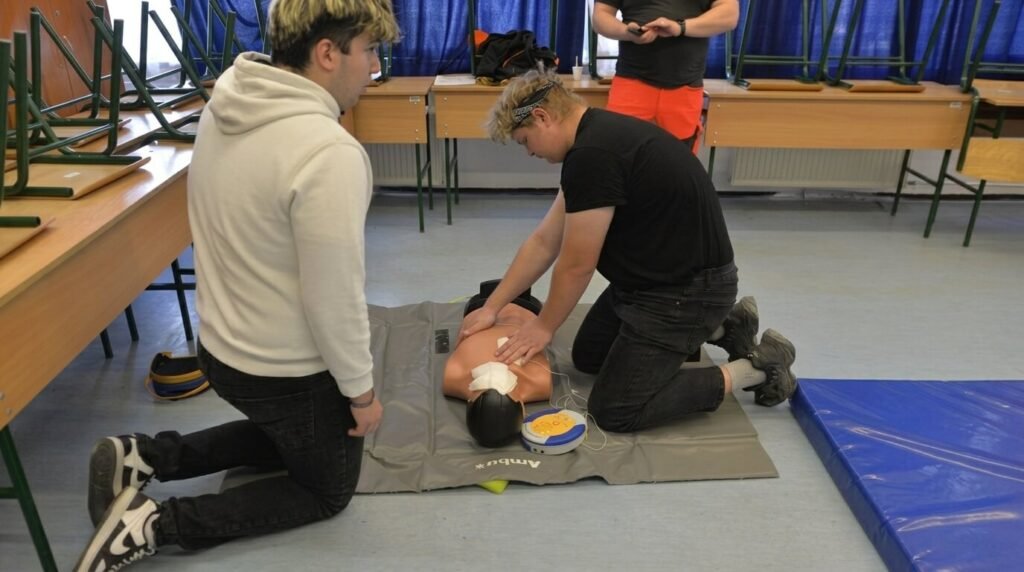
CPR is a life-saving technique used during cardiac arrest or severe breathing failure.
It focuses on:
- Chest compressions
- Rescue breathing (in some cases)
- Maintaining blood flow to the brain and heart
- Using an Automated External Defibrillator (AED)
CPR is used when a person is:
- Unresponsive
- Not breathing normally
- Has no pulse (in clinical settings)
The goal of CPR is to keep oxygen circulating until emergency medical services arrive.
What Is First Aid?
First Aid refers to immediate care given for injuries or sudden illness before professional medical help is available.
It includes treatment for:
- Cuts and bleeding
- Burns
- Sprains and fractures
- Choking
- Shock
- Minor allergic reactions
- Heat exhaustion or dehydration
First Aid does not replace medical treatment—it stabilizes a person until they can receive proper care.
Key Differences Between CPR and First Aid
| Feature | CPR | First Aid |
|---|---|---|
| Purpose | Restore breathing and circulation | Treat injuries and stabilize condition |
| Used For | Cardiac arrest, breathing failure | Cuts, burns, fractures, illness |
| Techniques | Chest compressions, AED use | Bandaging, wound care, splinting |
| Urgency Level | Immediate life-threatening | Varies from minor to serious |
| Training Focus | Heart and breathing emergencies | Broad injury and illness care |
When to Use CPR vs First Aid
Use CPR When:
- A person is unconscious and not breathing normally
- There is suspected cardiac arrest
- A person collapses suddenly and is unresponsive
Use First Aid When:
- Someone has a cut or bleeding injury
- A person has a burn or fracture
- There is choking (may involve both CPR and First Aid depending on severity)
- Someone is experiencing minor medical distress
Who Needs CPR and First Aid Training?
Healthcare Workers
- Nurses
- Medical assistants
- Home health aides
- Hospital staff
Educators and Childcare Workers
- Teachers
- Daycare providers
- School staff
Workplace Employees
- Construction workers
- Office staff
- Supervisors
- Safety officers
Parents and Caregivers
- New parents
- Family caregivers
- Guardians
Community Members
- Volunteers
- Coaches
- Religious leaders
Why Both Skills Matter
Emergencies Are Unpredictable
You never know whether an emergency will require CPR, First Aid, or both.
Faster Response Saves Lives
Immediate action can prevent complications before emergency services arrive.
Workplace Safety Compliance
Many workplaces require both CPR and First Aid training for staff.
Better Prepared Communities
Trained individuals help reduce emergency response delays in public settings.
Career Development
Healthcare employers often expect knowledge of both CPR and First Aid.
Common Mistakes and Misconceptions
“CPR and First Aid are the same”
They are different skill sets with different purposes.
“First Aid alone is enough”
Some emergencies require CPR, which First Aid does not cover.
“You only need training if you work in healthcare”
Anyone can benefit from both skills in daily life.
“You can’t help if you’re not a professional”
Basic training is designed for everyday people, not just professionals.
Frequently Asked Questions
What is the difference between CPR and First Aid?
CPR is used for cardiac and breathing emergencies, while First Aid treats injuries and medical conditions.
Is CPR part of First Aid?
No. CPR is a separate skill, though both are often taught together.
Do I need both CPR and First Aid training?
Yes, combining both gives you broader emergency preparedness.
Which is more important, CPR or First Aid?
Both are important depending on the type of emergency.
Can First Aid save a life?
Yes, especially in cases like severe bleeding or shock, but CPR is critical for cardiac arrest.
How long does CPR and First Aid certification last?
Typically 2 years, depending on the training provider.
Are CPR and First Aid hard to learn?
No, most courses are designed for beginners with hands-on practice.
Where can I get CPR and First Aid training in North Carolina?
At certified training providers such as healthcare colleges and accredited organizations.
Final Thoughts
CPR and First Aid are both essential life-saving skills, but they serve different purposes. CPR focuses on restoring breathing and circulation during cardiac emergencies, while First Aid covers a wide range of injuries and medical situations.
Together, they prepare you to respond confidently when emergencies happen—at home, at work, or in your community.
About AllGrace College of Health Sciences
AllGrace College of Health Sciences provides CPR, First Aid, and healthcare certification training designed to prepare individuals in North Carolina for real-world emergency response and healthcare careers.
Through practical, hands-on learning, students gain the confidence and skills needed to respond effectively in critical situations.