Teach Life-Saving Skills With Confidence and Purpose
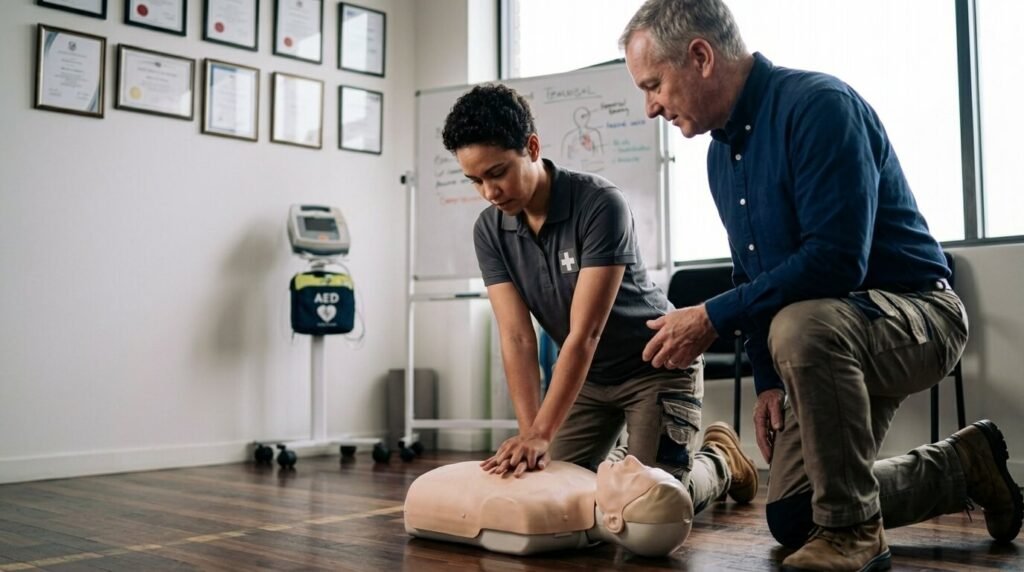
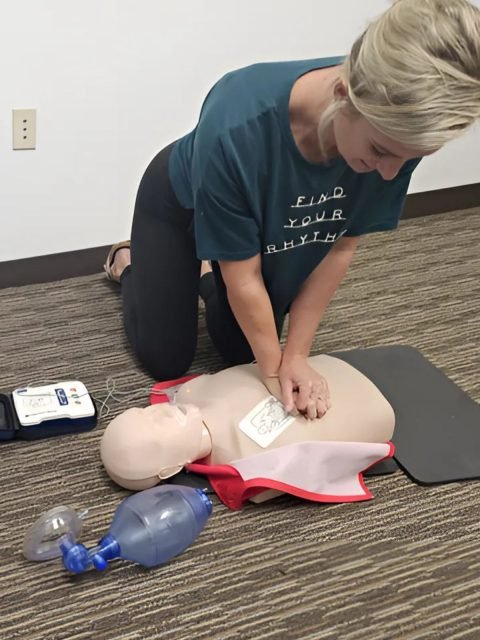
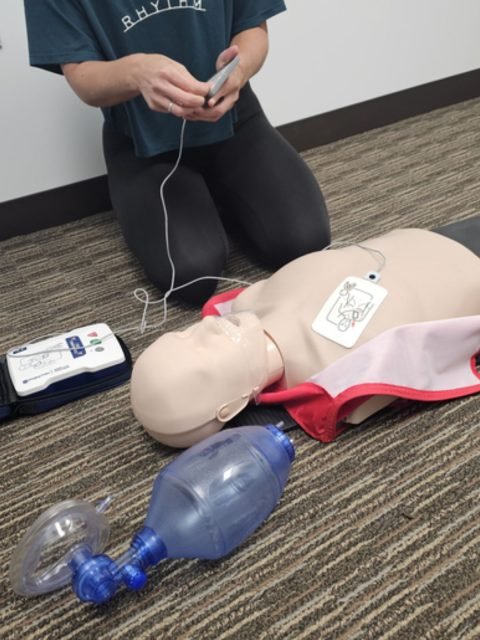
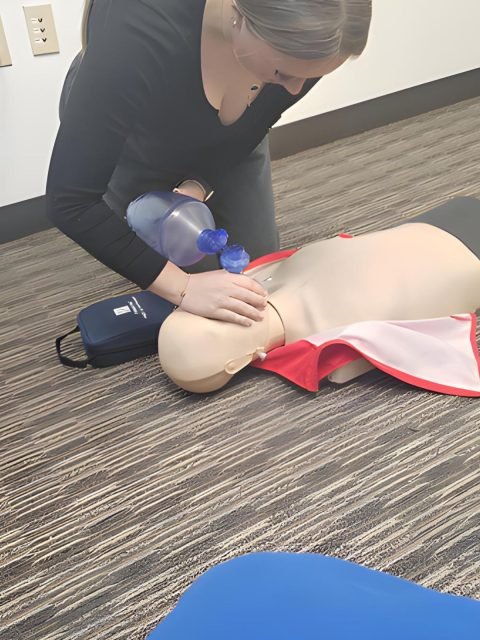
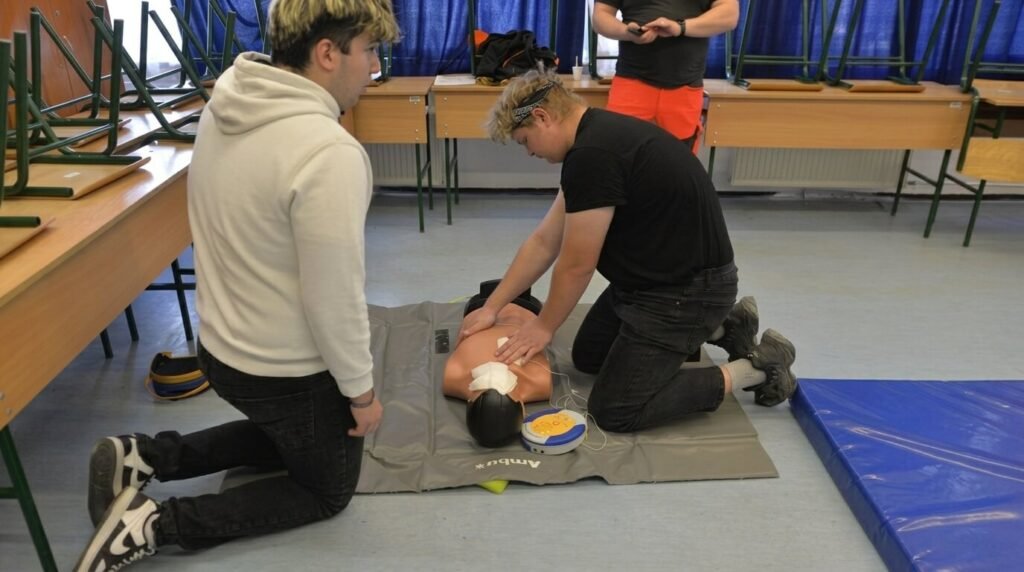
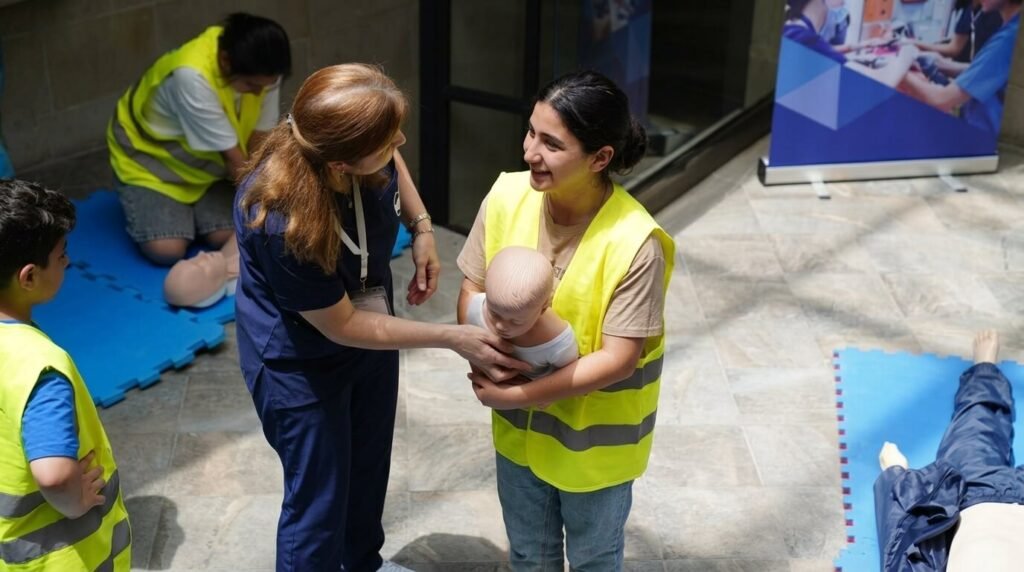
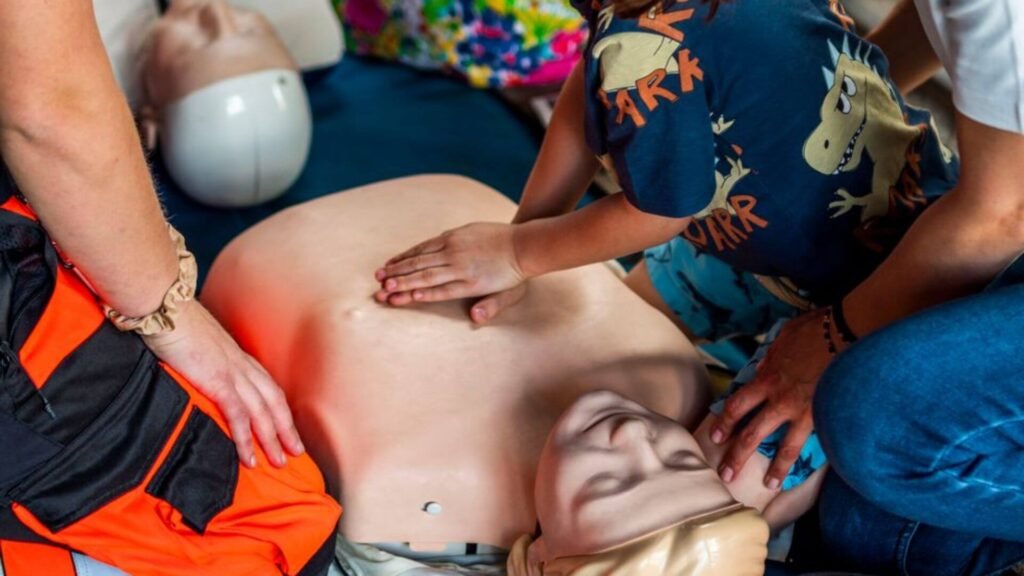
The Red Cross Instructor Program at AllGrace College of Health Sciences is designed to help aspiring instructors gain the knowledge, teaching confidence, and instructional skills needed to train others in CPR, First Aid, AED, and emergency response education.
Whether you are advancing your healthcare career, expanding your professional qualifications, or preparing to teach life-saving skills within your workplace or community, this program helps you move forward with greater confidence and leadership readiness.
Contact us with any questions you have about our classes or to begin your training program. We respond to all messages within 24 hours.
Duration: 8 hours
Price: $412
Same Day
CPR Certification
Happy Students
Trustindex verifies that the original source of the review is Google.
This was the best place I ever took my cpr, friendly, professional and made me remember the steps with ease. Thank you
Posted on Google
Yameenah Ramadan
March 26, 2026
Trustindex verifies that the original source of the review is Google.
I was needing ACLS/BLS renewal! Quick response, good pricing (in my opinion), super duper sweet instructor that will not let you fail and walk away not knowing how to do your job. Highly recommend!!!!
Posted on Google
Elle Terpstra
January 21, 2026
Trustindex verifies that the original source of the review is Google.
Clear concise with a touch of humor to clear any anxiety! A job well done at a pace that provides an awareness and an informative platform to the importance of the detriment of others lives of which we are hoping to save should it become necessary. Thank you ByGrace and Rosalyn!❤️
Posted on Google
Jamie Johnson
December 6, 2025
Trustindex verifies that the original source of the review is Google.
Excellent teaching skills. She kept you interested in wanting to learn.
Posted on Google
Tina Wommack
December 6, 2025
Trustindex verifies that the original source of the review is Google.
Excellent course and great communication! Highly recommend Ms. Abankwah for BLS/ACLS training/recertifications. Thank you!
Posted on Google
Sepideh Sabooree
November 20, 2025
Trustindex verifies that the original source of the review is Google.
Communication was detailed. Class was great. Learned a lot that expanded on the knowledge I already have.
Posted on Google
Shameka Nall
November 17, 2025
Trustindex verifies that the original source of the review is Google.
Completed my ACLS renewal here. Instruction was efficient, scenarios were realistic, and key algorithm updates were clearly reinforced. Strong refresher for clinical practice. Thank you Rosalyn for making my renewal process smooth
Posted on Google
Chisomnazu Nwigwe
November 9, 2025
Trustindex verifies that the original source of the review is Google.
ByGrace CPR Compliance made the renewal process so easy and convenient. Scheduling was simple, and everything was handled professionally. I’d definitely recommend them to anyone needing CPR certification!
Posted on Google
Layne Veneri
October 27, 2025
Trustindex verifies that the original source of the review is Google.
Ms. Rosalyn was an outstanding BLS CPR instructor. Her detailed explanations made complex concepts easy to grasp, and her warm, welcoming attitude created a comfortable learning environment. Highly recommend her!
Posted on Google
Brandon Mitchell
September 18, 2025
Trustindex verifies that the original source of the review is Google.
My BLS training instructor Ms Rosalyn was professional. I’m looking forward to my future trainings with her organization. Highly recommended 😁
Posted on Google
Teach Learn Care LLC
September 14, 2025
Teaching Life-Saving Skills Comes With Responsibility
Build the Confidence to Train and Lead Others Effectively
Becoming an instructor can feel exciting — but also intimidating without the right preparation and guidance.
Many aspiring instructors worry about standing in front of a classroom, teaching emergency response skills correctly, answering student questions, and leading training sessions with confidence and professionalism.
Many future instructors feel:
nervous about teaching CPR and emergency response skills
unsure how to lead a classroom confidently
overwhelmed by instructor responsibilities
anxious about speaking in front of groups
uncertain how to guide students effectively
intimidated by becoming responsible for teaching life-saving skills
You should not have to step into an instructor role feeling unsupported or unprepared.
The Red Cross Instructor Program is more than an instructor certification course.
It is an opportunity to become someone who can confidently teach, guide, and prepare others for emergencies that may one day save lives.
At AllGrace College of Health Sciences, we help future instructors strengthen teaching confidence, instructional skills, and professional readiness through supportive, practical training designed to prepare leaders in emergency response education.
Because great instructors do more than teach information — they help build preparedness, confidence, and calm under pressure.
From Nervous Student to Confident Instructor
Before the Program
Many participants begin feeling:
intimidated by teaching responsibilities
nervous about public speaking
unsure how to teach CPR and emergency response skills effectively
overwhelmed by instructor expectations
uncertain whether they are ready to lead classes
After the Program
Participants leave feeling:
more confident teaching life-saving skills
better prepared to lead training sessions
stronger in communication and classroom instruction
more comfortable guiding students through hands-on practice
clearer about their professional growth opportunities
This program helps participants move from uncertainty toward instructional confidence and leadership readiness.
We understand that teaching can feel intimidating at first. Our program is designed to help participants build confidence gradually through supportive instruction and guided practice.
Practical, Hands-On Teaching Preparation
Participants gain practical experience developing instructional skills and classroom leadership techniques.
Leadership and Professional Growth
Instructor certification can help support career advancement, workplace leadership opportunities, and professional development.
North Carolina Training Support
The program helps support instructor development and emergency response education pathways within North Carolina.
Clear, Structured Learning
We simplify the instructor preparation process into manageable, confidence-building instruction designed to reduce overwhelm and improve readiness.
Benefits of the Red Cross Instructor Program
Build Teaching Confidence
Develop greater confidence leading classes and teaching emergency response skills.
Strengthen Leadership Skills
Instructor training helps participants improve communication, professionalism, and classroom leadership abilities.
Expand Professional Opportunities
Instructor certification may support career advancement and additional workplace opportunities.
Learn Practical Instructional Techniques
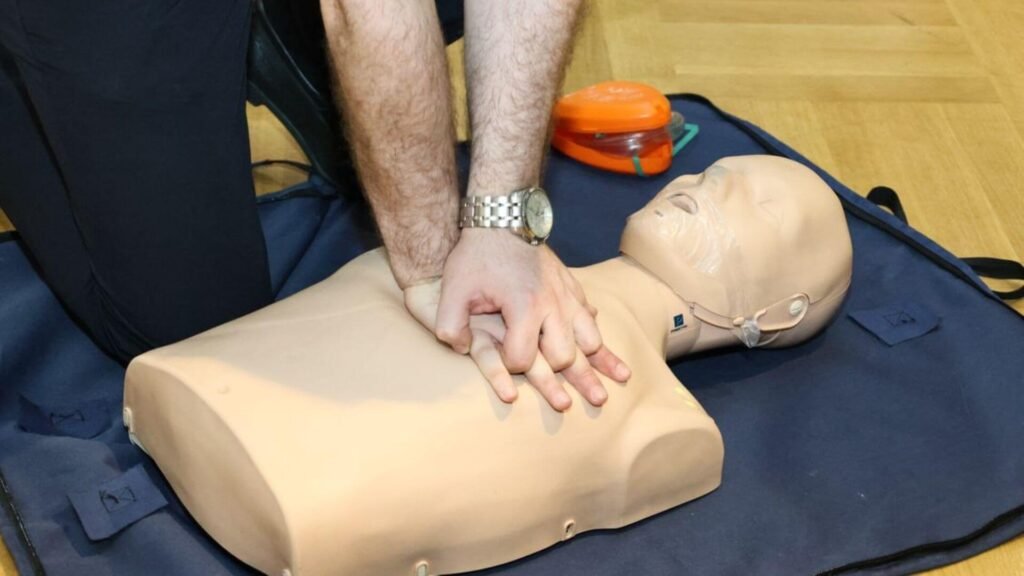
Gain hands-on experience teaching CPR, AED, and emergency response concepts.
Help Build Prepared Communities
As an instructor, you have the opportunity to help others feel more prepared during emergencies.
A Simple Path Toward Becoming an Instructor
1. Enroll in the Instructor Program
Take the first step toward becoming a certified emergency response instructor.
2. Complete Instructor Training
Develop teaching confidence, instructional techniques, and classroom leadership skills through guided training and hands-on learning.
3. Lead With Greater Confidence
Use your instructor training to begin teaching and guiding others in life-saving emergency response education.
What You May Learn in the Red Cross Instructor Program
Program training may include topics such as:
Instructor teaching techniques
Classroom leadership skills
CPR and emergency response instruction
Student engagement strategies
Hands-on skill demonstration methods
Communication and professionalism
Course organization and preparation
Guiding students through practical training
Building confidence as an instructor
Training is designed to help participants feel more prepared leading emergency response education.